
GPS tracking and monitoring for fleet cars

GPS tracking and monitoring for taxi fleets and ride-hailing partners
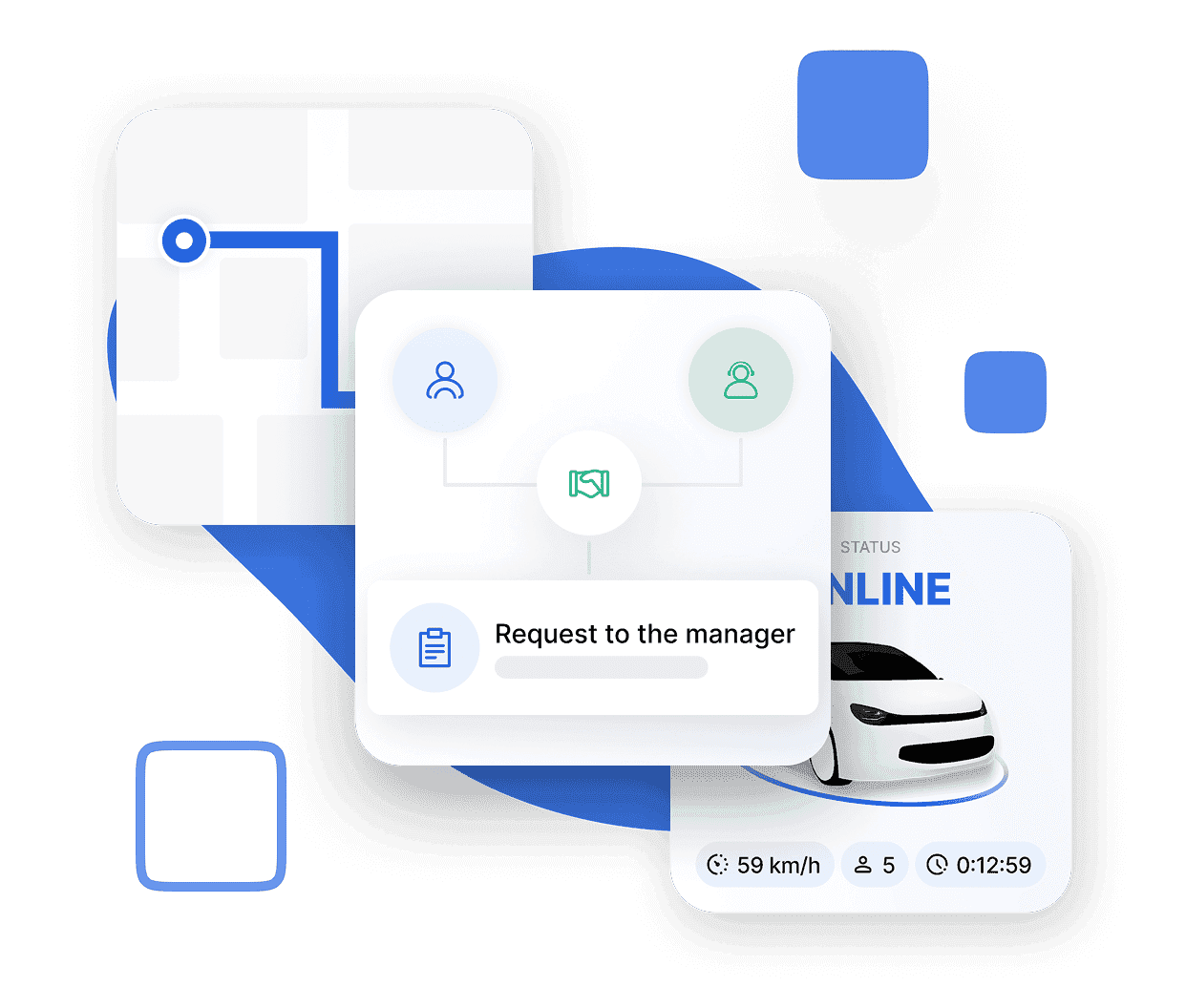
Technical solutions play a critical role in efficient fleet management. Knowing what happens with every vehicle in real time is not just convenient – it is essential. Your fleet is your core asset and the main driver of revenue, which means control must be comprehensive and reliable. While direct communication with drivers helps, it cannot fully protect the business from misuse or operational blind spots – especially as the fleet grows.
This challenge is not new, and neither is its solution. The key question is how well it is implemented and integrated into your operations. The market offers a wide range of GPS devices, including advanced solutions for the transportation sector that go far beyond simple location tracking. When combined with MyTaxiCRM, these data streams turn into powerful operational and analytical insights.
MyTaxiCRM integrates GPS solutions from multiple providers and also offers its own ready-to-use solution – “MyTaxiGPS”. Fleets are free to choose what fits best, while we ensure seamless integration, clear reporting, and fast, well-informed management decisions.
The benefits of using GPS trackers for fleet businesses
Let’s explain why GPS tracking is essential for fleet operations. At a basic level, knowing where each vehicle is at the end of a shift or working day already improves security and peace of mind.
However, occasional location checks are not the same as continuous, real-time visibility. Constant awareness of vehicle positions, distribution, and movement across your operating area gives fleets clear operational advantages. This applies whether you work with one or multiple ride-hailing platforms, manage your own dispatch, or simply rent vehicles without tactical trip control. Knowing where your vehicles are at any moment means control, faster response, and real influence on operations.
In addition, the presence of a GPS tracking and monitoring system usually has a strong positive effect on driver responsibility and work discipline.
At MyTaxiCRM, we help fleets integrate both third-party GPS solutions and our own solution, “MyTaxiGPS”, and show how GPS data can be transformed into valuable insights that increase overall business efficiency.
- Much more than just a GPS vehicle tracker
- How a car tracker benefits different business setups
Much more than just a GPS vehicle tracker
Let’s move beyond basic GPS functionality. Modern GPS devices, especially those connected via the vehicle’s OBD port, provide far more than location data. They collect and transmit a wide range of technical and operational information to the MyTaxiCRM fleet management system, enabling more accurate control and analytics.
Speed data is used to verify trip distances reported by ride-hailing platforms or dispatch systems and to monitor driver compliance with traffic regulations, including speeding and average speed. Vehicle condition and performance data allow fleet managers to receive early warnings about potential issues or upcoming maintenance needs, improving safety and reliability for drivers and passengers alike.
Location data also plays a key role in accurately assigning toll roads, paid zones, or restricted-area fees – such as airport waiting zones, toll highways, or city areas with additional charges. MyTaxiCRM not only records and distributes these costs correctly but also helps implement business decisions: some fees can be included in the ride price, while others can be tracked and settled with authorities through cashboxes and reconciliation tools.
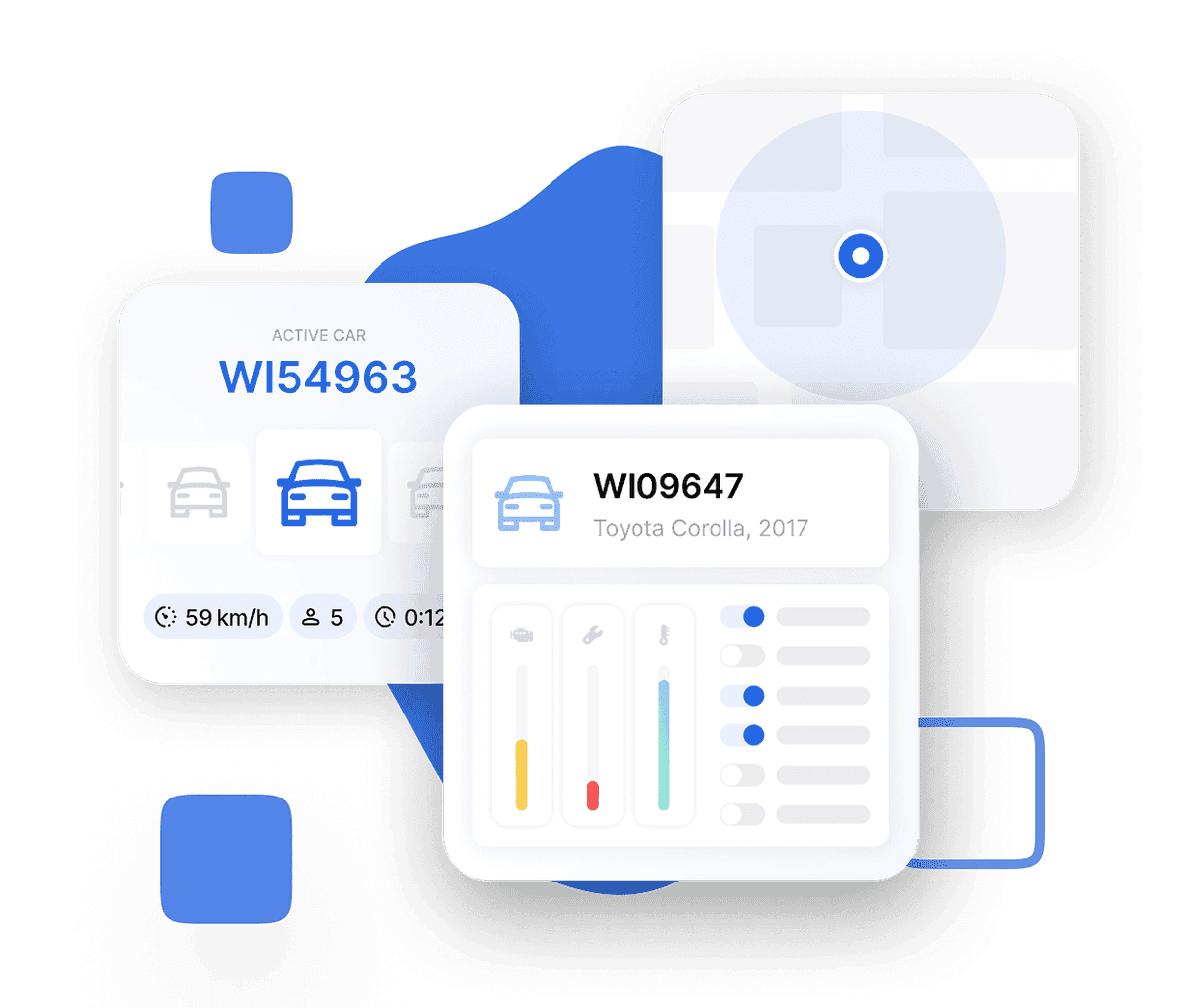
Beyond that, MyTaxiCRM supports more specific use cases. For example, seat load sensor data can indicate when drivers or passengers are present in a vehicle, providing an effective antifraud mechanism. Combined with the “Online” module, this allows you to identify when trips were made and detect cases where rides may have been taken outside official channels.
Mileage overruns are another critical factor. By processing GPS data, MyTaxiCRM generates derived metrics that help control excess mileage and define permitted personal use within contractual terms, supporting fair, transparent, and efficient fleet operations.